
As a parent, watching your child grow and hit new milestones is one of the most exciting parts of parenthood. But when your child seems to be falling behind their peers, it can also be one of the most worrying. The good news is that you are not alone, and there is support available.
Developmental milestones are the physical, cognitive, social, and emotional skills that most children are expected to reach by a certain age. They serve as a helpful guide for parents and healthcare providers to track a child’s progress and identify areas where a little extra support may be needed.
What Are Some Common Developmental Milestones?
While every child develops at their own pace, here are some general milestones to be aware of:
- 0-6 months: Holds onto caregiver’s finger using whole hand, uses whole hand to grasp items (cloth/rattle), Brings hands together to secure a toy, rolls from tummy to back, and starts to respond more frequently to sounds, smiles, people, affection.
- 6-12 months: clingy and has some stranger awareness, crawls, sits, pulls up to stand, puts things in mouth to explore, bangs two items together, says simple words like “mama” or “dada,” points to objects, drinks from a craw and a cup, and uses a pincer grasp to pick up small items.
- 2 years: walks independently, stacks two small blocks, scribbles with a crayon, follows two-step directions, and engages in simple pretend play.
- 3 years: dresses and undresses with minimal help, uses utensils to feed themselves, draws basic shapes, and plays alongside other children.
- 5 years: cuts with scissors, writes their name, completes simple self-care tasks such as brushing teeth and washing hands, and regulates their emotions in most situations.
- 8 years: completes multi-step tasks independently, manages their time and belongings, reads and writes at grade level, and navigates friendships and social situations with growing confidence.
When Should I Be Concerned?
Missing one milestone does not necessarily mean something is wrong. Children develop at different rates, and some may need a little more time in certain areas. However, if your child is missing milestones across multiple areas, or if you notice a sudden loss of skills they previously had, it is worth speaking with your pediatrician and requesting a developmental evaluation.
Some signs that occupational therapy may be beneficial include difficulty with fine motor tasks like holding a pencil or using utensils, trouble with self-care routines like dressing or grooming, sensory sensitivities that interfere with daily life, poor balance and coordination, challenges with attention and focus, and difficulty transitioning between tasks or managing emotions.
How Can Occupational Therapy Help?
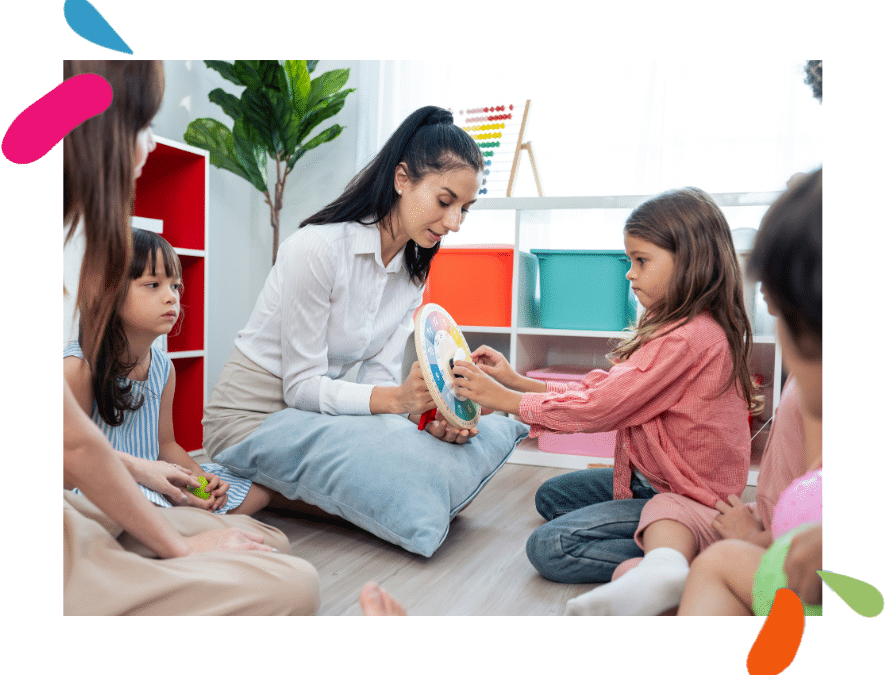
Our Occupational therapists are trained to evaluate where a child is in their development and create a personalized plan to help them catch up and thrive. Through play-based, child-led sessions, occupational therapists target the specific skills your child needs to meet their milestones and gain greater independence in their daily life.
At Hearts and Hands Therapy, our occupational therapists work with children from birth to age 21 across our Georgia and Massachusetts clinics. Whether your child needs support with fine motor skills, sensory processing, reflex integration, self-care, or executive functioning, our team is here to guide both your child and your family every step of the way.
If you are wondering whether your child could benefit from an occupational therapy evaluation, we encourage you to reach out. Early intervention makes a big difference, and getting the right support at the right time can change the trajectory of your child’s development.